
Introduction :
Do you know that the small chip in your washing machine is very different from the one used in a rocket?
That’s because not all embedded systems are the same!
Some are small and simple, while others are powerful and complex.
In this blog, let’s learn about the types of embedded systems — how they are grouped, how they work, and where we can find them.
Types of Embedded Systems
Embedded systems are mainly divided into three main types based on their complexity, power, and performance:
- Small-Scale Embedded Systems
- Medium-Scale Embedded Systems
- Large-Scale Embedded Systems
Let’s explore each one in simple words with examples.
1. Small-Scale Embedded Systems
These are the simplest and smallest types of embedded systems.
They are designed to perform one specific task and use a small microcontroller with limited memory and power.
Features
- Low cost
- Simple design
- Uses 8-bit or 16-bit microcontrollers
- Limited memory and speed
- Runs simple software (mostly written in Embedded C)
Examples
- Calculators
- Remote controls
- Digital watches
- Simple toys
- Temperature sensors
These devices don’t need high speed or complex processing. They just follow a simple command — for example, a remote control sends a signal when you press a button.
Summary
Small-scale systems are perfect for basic, low-power devices that do a single job efficiently.
2. Medium-Scale Embedded Systems
These are more advanced and powerful than small-scale systems.
They can handle multiple tasks and use 16-bit or 32-bit microcontrollers with more memory and faster speed.
Features
- Medium processing power
- More memory and storage
- Can handle real-time operations
- Runs on Real-Time Operating System (RTOS)
- Used in smart consumer products
Examples
- Washing machines
- Smart door locks
- Air conditioners
- Microwave ovens
- Home security systems
These devices use sensors and logic to make decisions — for example, a washing machine checks water level, temperature, and time automatically.
Summary
Medium-scale systems are smarter and faster, making them perfect for home appliances and smart devices.
3. Large-Scale Embedded Systems
These are the most complex and powerful embedded systems.
They use high-speed processors, large memory, and often work with multiple subsystems together.
They are used in industrial, automotive, and medical fields where precision and performance are critical.
Features
- High processing speed (32-bit or 64-bit processors)
- Handles multiple functions
- Supports multitasking
- Can connect to the internet and other devices
- Often use operating systems like Linux or RTOS
Examples
- Medical equipment (like ECG or MRI machines)
- Industrial robots
- Aircraft control systems
- Self-driving cars
- Smart factories
These systems can process huge amounts of data in real-time and make complex decisions — for example, controlling a robot arm or managing a jet engine.
Summary
Large-scale systems are the brains of advanced technology, helping industries and machines perform safely and intelligently.
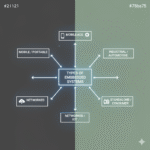
Classification Based on Function
Embedded systems can also be grouped based on how they perform their tasks.
1. Real-Time Embedded Systems
These systems must respond instantly to inputs.
Even a small delay can cause errors or danger.
Examples:
- Car airbags
- Traffic light systems
- Industrial safety systems
2. Standalone Embedded Systems
They work independently without connecting to other devices.
Examples:
- Digital cameras
- Calculators
- Microwave ovens
3. Networked Embedded Systems
These are connected to other systems through the internet or networks to share data.
Examples:
- Smart home devices
- IoT gadgets
- Security cameras
4. Mobile Embedded Systems
They are portable and battery-powered systems used in mobile devices.
Examples:
- Smartphones
- Smartwatches
- Fitness trackers
Comparison Table
| Type | Processing Power | Example Devices | Cost | Complexity |
|---|---|---|---|---|
| Small-Scale | Low | Calculator, Remote | Low | Simple |
| Medium-Scale | Medium | Washing Machine, AC | Medium | Moderate |
| Large-Scale | High | Robots, Aircraft | High | Complex |
Why So Many Types?
Different devices need different levels of power, speed, and memory.
- A calculator only needs basic math functions.
- A car engine system needs fast decisions every second.
- A robot needs high power and real-time communication.
That’s why embedded systems are designed in different types — each suited for its purpose.
Real-Life Story Example
Imagine your home — you already have all three types!
- Your TV remote uses a small-scale system.
- Your washing machine uses a medium-scale system.
- Your smartphone uses a large-scale system.
Each one works differently, but together they make your daily life smarter and easier.
Conclusion
Embedded systems come in many types, from tiny calculators to powerful robots.
- Small-scale systems do simple jobs.
- Medium-scale systems run smart home devices.
- Large-scale systems power industries and advanced machines.
Each type plays a special role in our world — making life easier, faster, and smarter.
-Vintech Academy Blog Post